A key snapped inside a lock is one of the most common emergency calls a locksmith gets. Getting the broken piece out without damaging the cylinder is quick with the right extractor — and almost impossible with the wrong one. That makes extractor sets a steady, low-cost line for any tool distributor.
Common extractor types
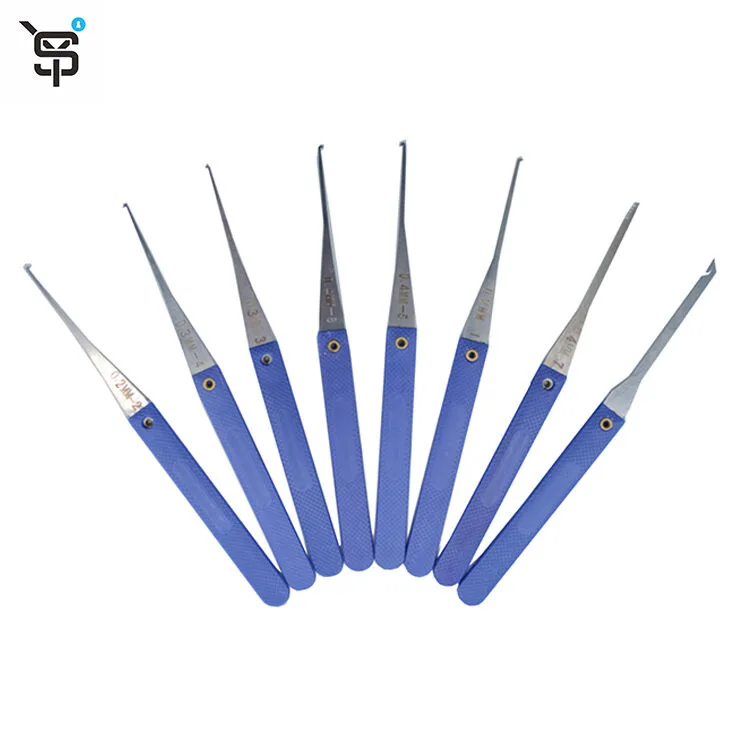
- Hook extractors — a thin blade with a small hook at the tip that catches the edge of a key cut.
- Barbed or saw-tooth extractors — several small teeth along the blade grip the key from the side.
- Spiral extractors — a twisted blade that bites into the key as it slides in.
- Harpoon-style — very thin, for tight keyways and automotive locks.
Different keyways and break points need different shapes, which is why locksmiths buy sets rather than single tools.
What buyers look for in a set
- A mix of shapes and thicknesses, so at least one fits a narrow keyway.
- Handles that give enough grip to pull, and a case that keeps the thin blades from bending in the toolbag.
- Spring steel or stainless blades that flex without snapping — ask us for the material of each set.
Sell the backup tools too
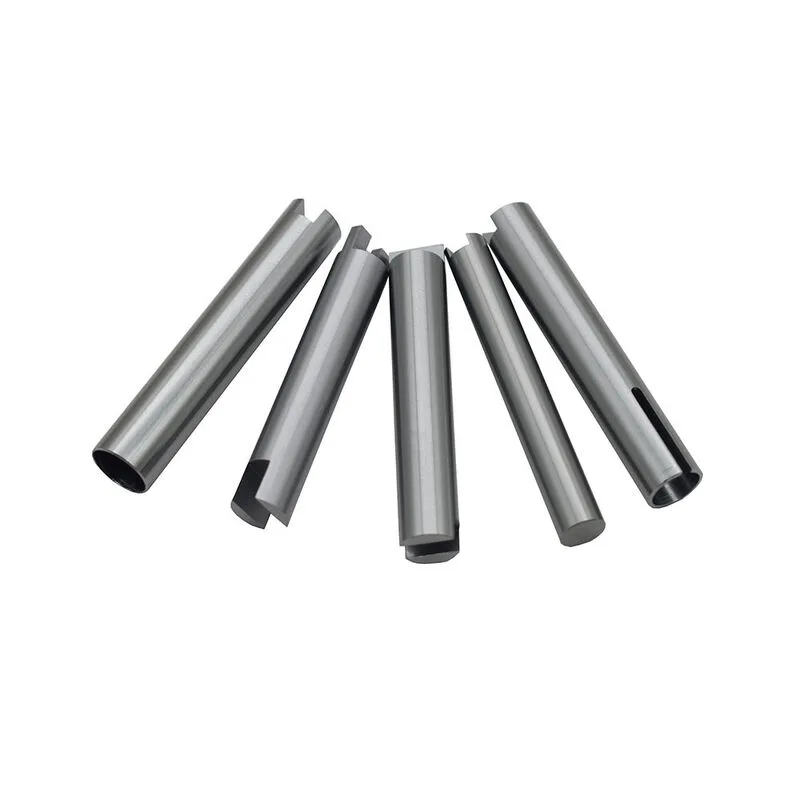
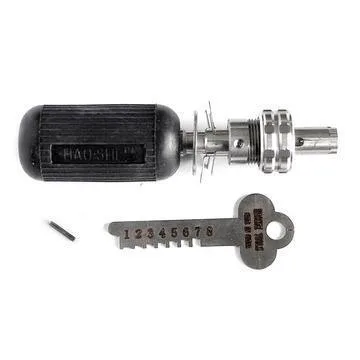
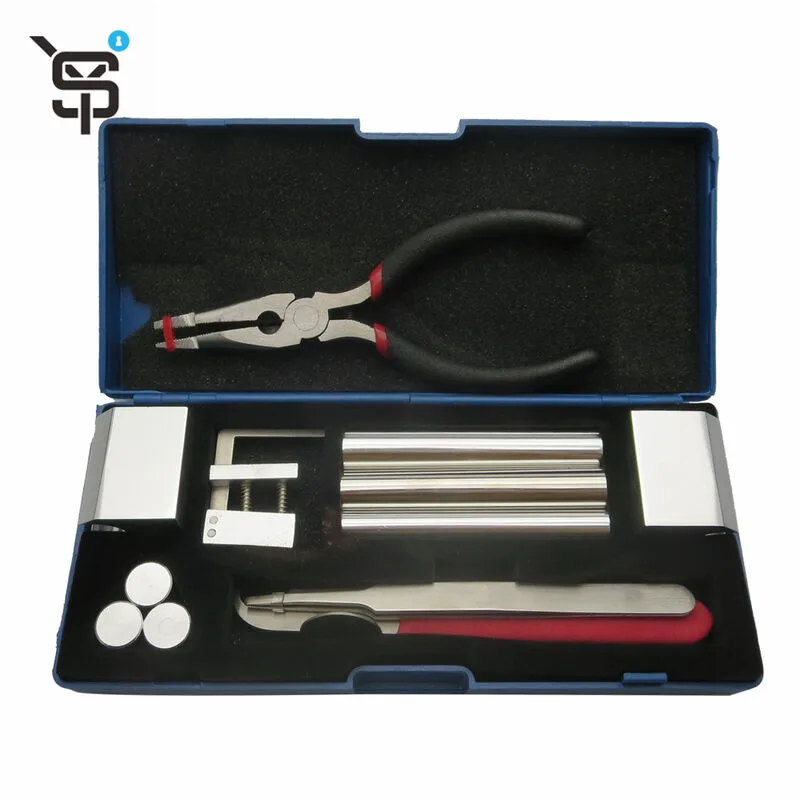
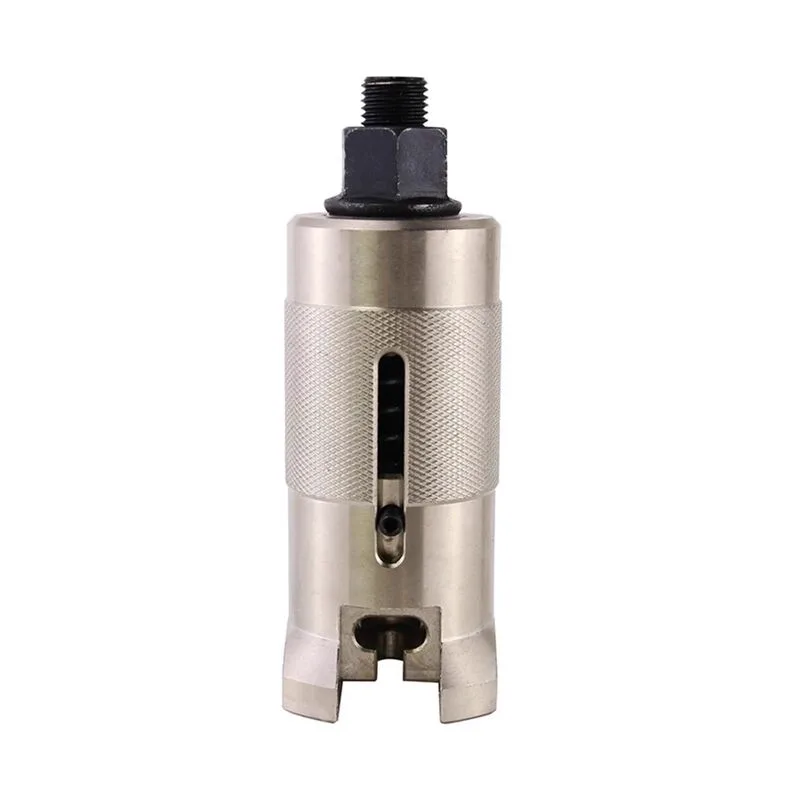
When the key fragment will not come out, the next step is usually taking the cylinder apart or pulling it. A lock disassembly kit and a cylinder (core) puller complete the job — and are natural add-ons to an extractor order.
All of these are in stock with no minimum order; your logo on the tools or cases is available from 100 pcs.
How locksmiths use an extractor
The basic job is simple: the plug must be in its home position, a little lubricant goes in, and the extractor slides in along the cut side of the broken key until it catches; then the piece is pulled out straight. The skill is choosing the shape that will catch without pushing the piece deeper — another reason locksmiths want several shapes in one set.
Automotive vs residential
Car keyways are often narrower and more complex, so automotive locksmiths prefer very thin extractors and good lighting — small fiber-optic lights are a common add-on. Residential pin-tumbler locks are more forgiving, and a general set covers most calls.
Tips you can share with end customers
- Replace worn or cracked keys before they break.
- Use keys cut from a good original, not a copy of a copy.
- Do not force a key that turns stiffly — lubricate the lock or call a locksmith.
Simple advice like this, printed on a card in your extractor sets, makes the product look more professional — and a printed card with your logo is available from 100 pcs.
Stocking checklist
- A mixed extractor set as the core item.
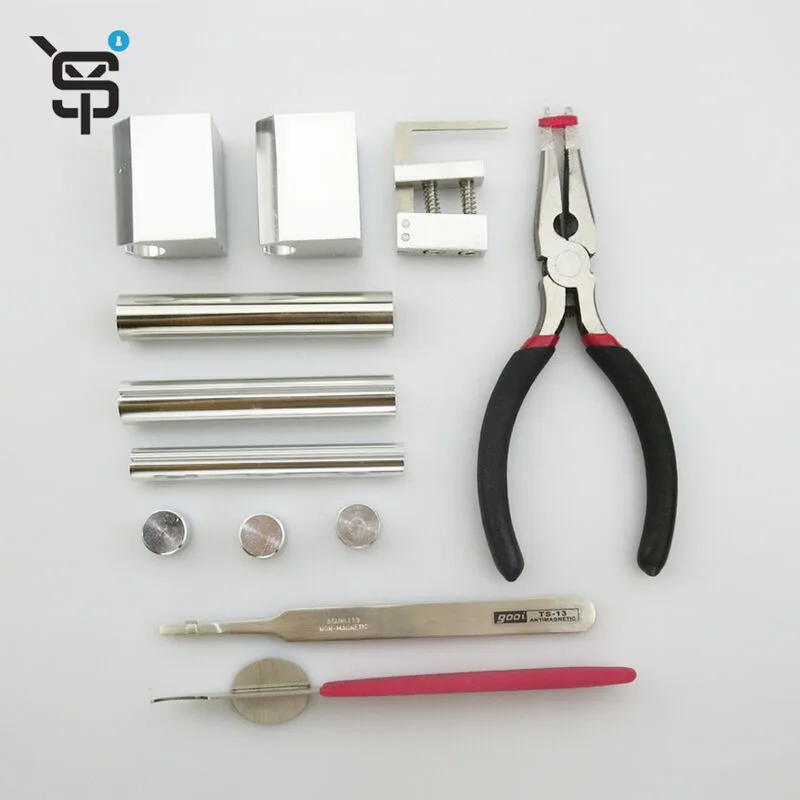
- A lock disassembly kit for cylinders that must come apart.
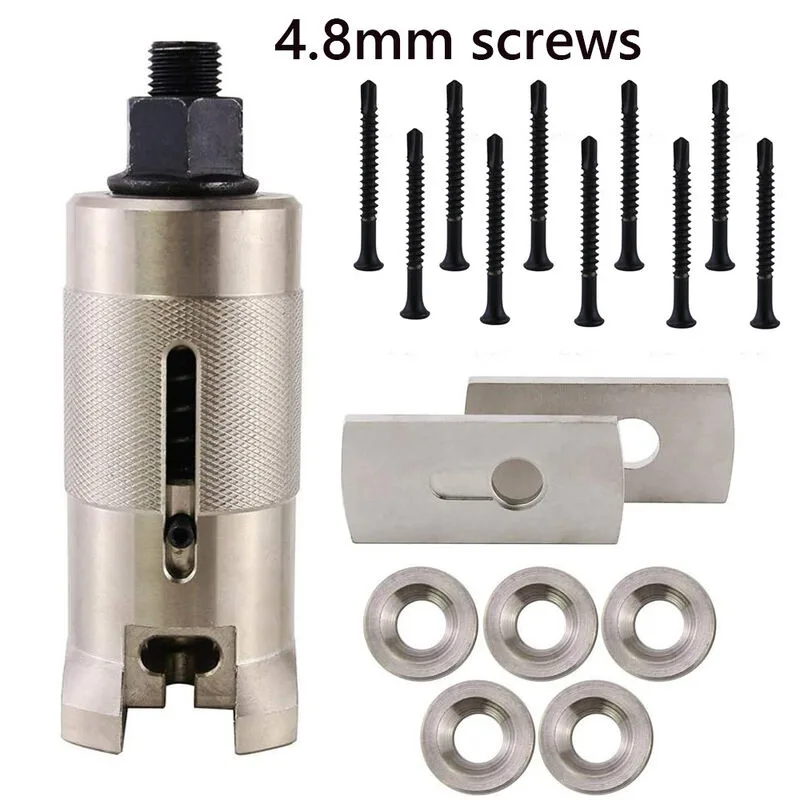
- A cylinder (core) puller for the toughest cases.
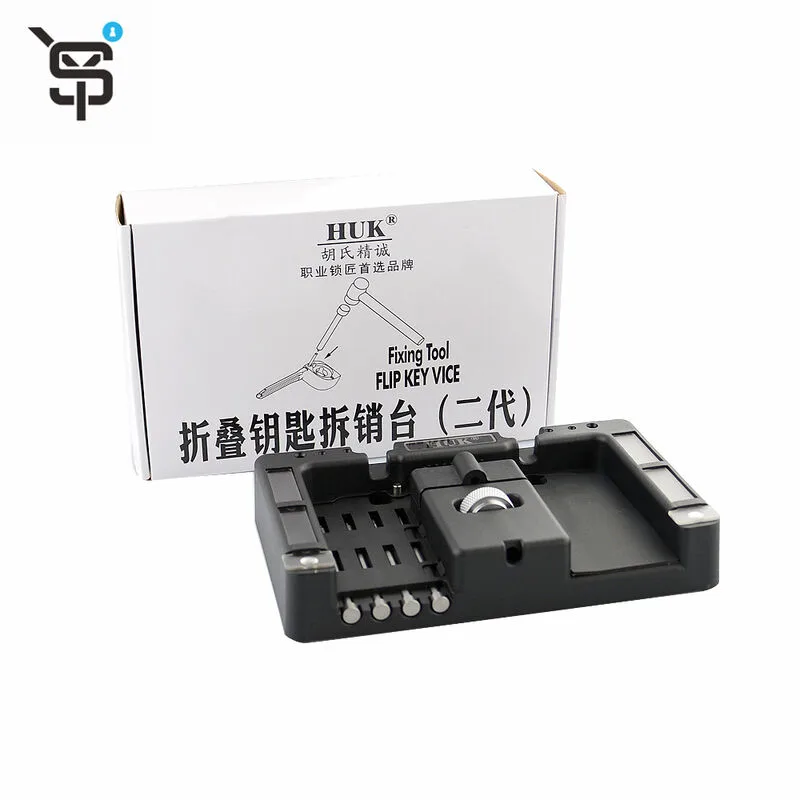
- Flip key repair tools if your customers also service car keys.
Key terms
| Extractor | A thin blade with a hook, barbs or a spiral that catches a broken key. |
|---|---|
| Home position | The plug position where the key can be inserted and removed. |
| Keyway | The slot the key slides into; its shape decides which extractor fits. |
| Cylinder puller | A tool that screws into a cylinder and pulls it out when other methods fail. |
| Disassembly kit | Tools for taking a cylinder apart to reach a stuck key piece. |
Questions
Which broken key extractor type is best?
There is no single best type; hook, barbed and spiral extractors suit different keyways and breaks, so a mixed set is the practical choice.
What if the extractor does not work?
Locksmiths then disassemble or pull the cylinder — a disassembly kit and a cylinder puller are the usual backup.
Can I mix extractor sets with other tools?
Yes. In-stock tools have no minimum order.